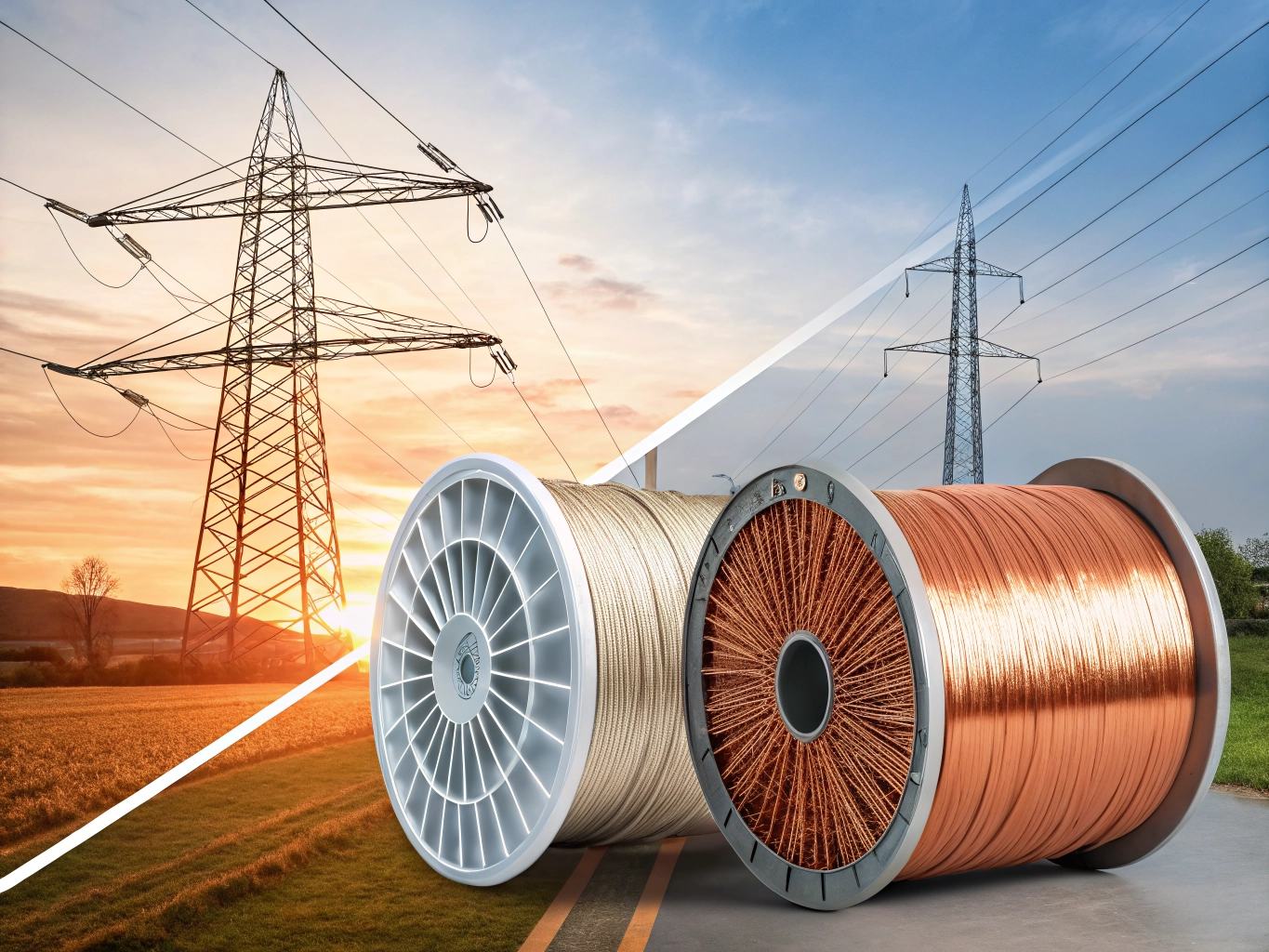
Copper and aluminum are two of the most commonly used conductive metals in the electrical industry. While both materials conduct electricity, copper remains the preferred choice for many applications due to its superior conductivity, durability, and reliability.
Understanding Copper Wire
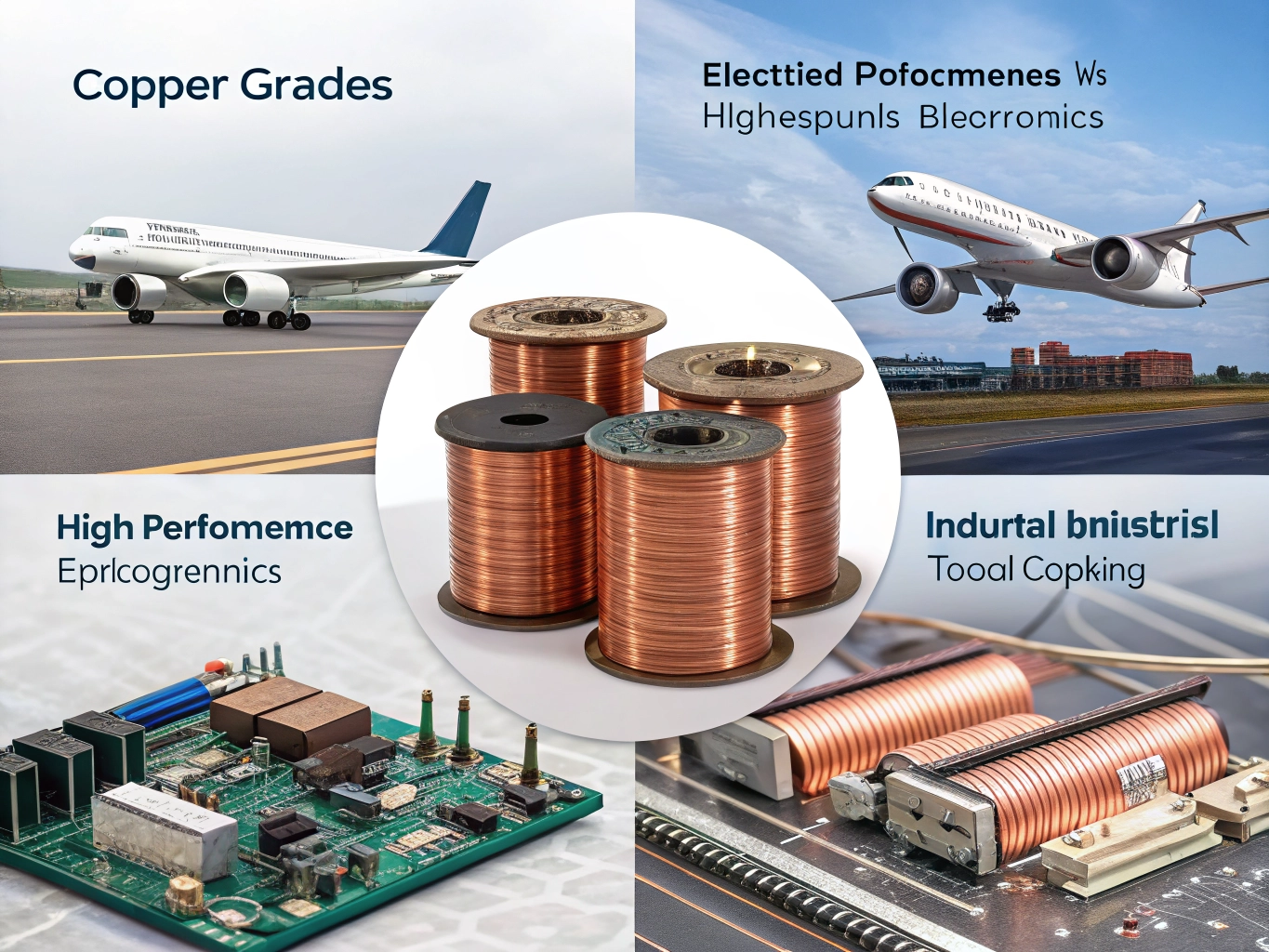
Copper wire is manufactured from high-purity copper, often derived from Grade A copper cathodes. It is widely used in residential, commercial, and industrial electrical systems because of its excellent electrical and thermal conductivity.
Understanding Aluminum Wire
Aluminum wire is lighter and generally less expensive than copper wire. It is often used in large-scale power transmission systems where weight and cost are important considerations.
Copper vs Aluminum: Key Differences
Electrical Conductivity
Copper provides significantly better electrical conductivity than aluminum. This means smaller copper conductors can carry the same electrical load as larger aluminum conductors.
Durability
Copper is stronger and more resistant to wear and tear. It can withstand repeated bending and movement without breaking as easily as aluminum.
Corrosion Resistance
Copper naturally resists corrosion and maintains reliable electrical connections over long periods. This contributes to lower maintenance requirements and improved safety.
Installation
Copper wire is easier to terminate and connect, making it a preferred material for electricians and manufacturers.
Cost
Aluminum is generally less expensive than copper. However, copper often provides greater long-term value due to its durability and performance.
Common Applications of Copper Wire
- Electrical wiring
- Power distribution systems
- Electric motors
- Transformers
- Telecommunications
- Renewable energy systems
Why Manufacturers Prefer Copper
Many manufacturers choose copper because of its superior conductivity, reliability, and long service life. Copper products help improve efficiency and reduce energy losses in electrical systems.
Copper Wire Production
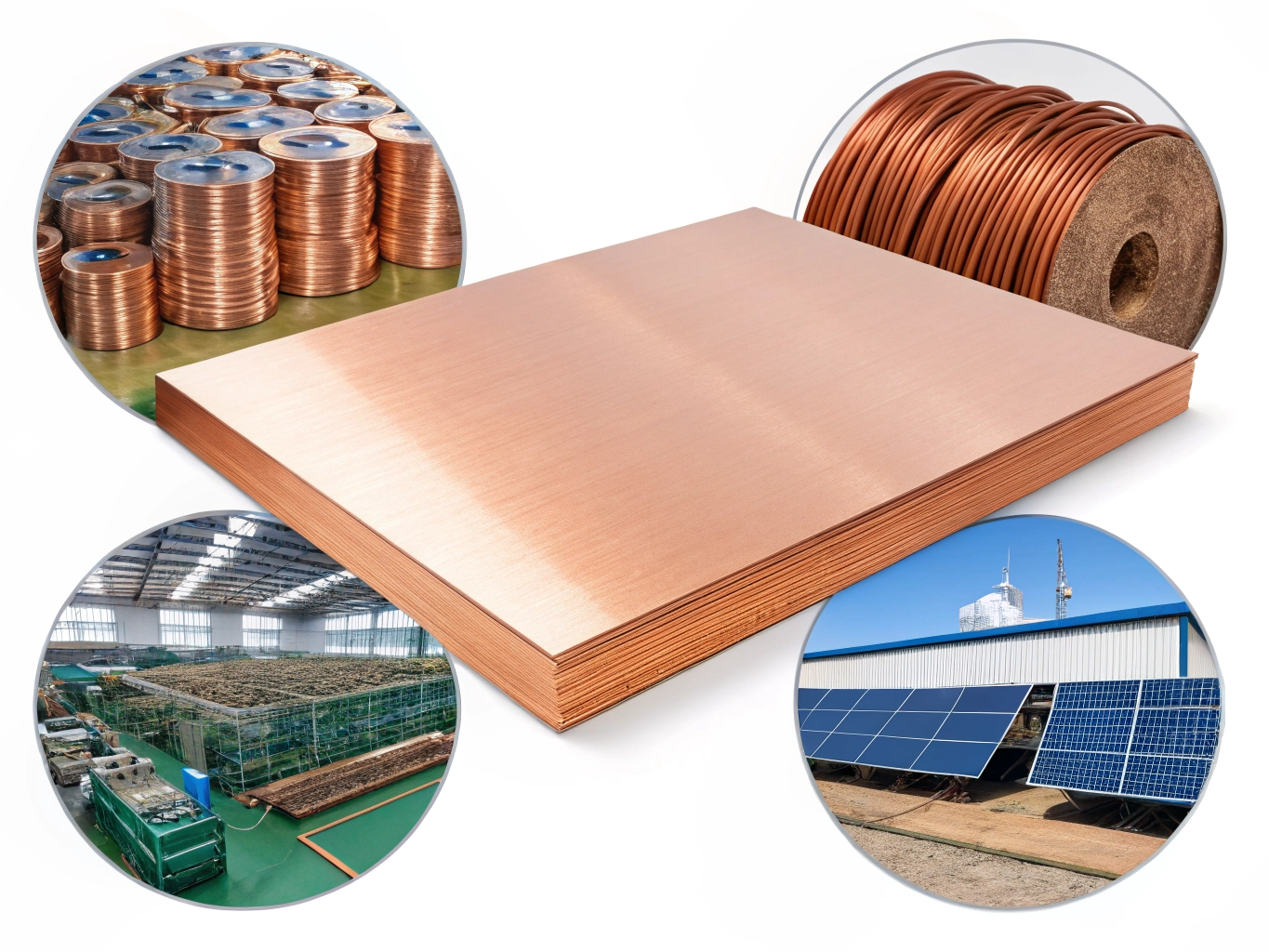
High-quality copper wire begins with refined copper cathodes. These cathodes are processed into copper rods and then drawn into wire used in various industries around the world.
Conclusion
Both copper and aluminum have important uses in the electrical industry. However, copper remains the preferred material for applications requiring maximum conductivity, durability, and long-term reliability.
At Copper Wire Cathode, we supply high-quality copper products that meet the needs of manufacturers, distributors, and industrial buyers worldwide.