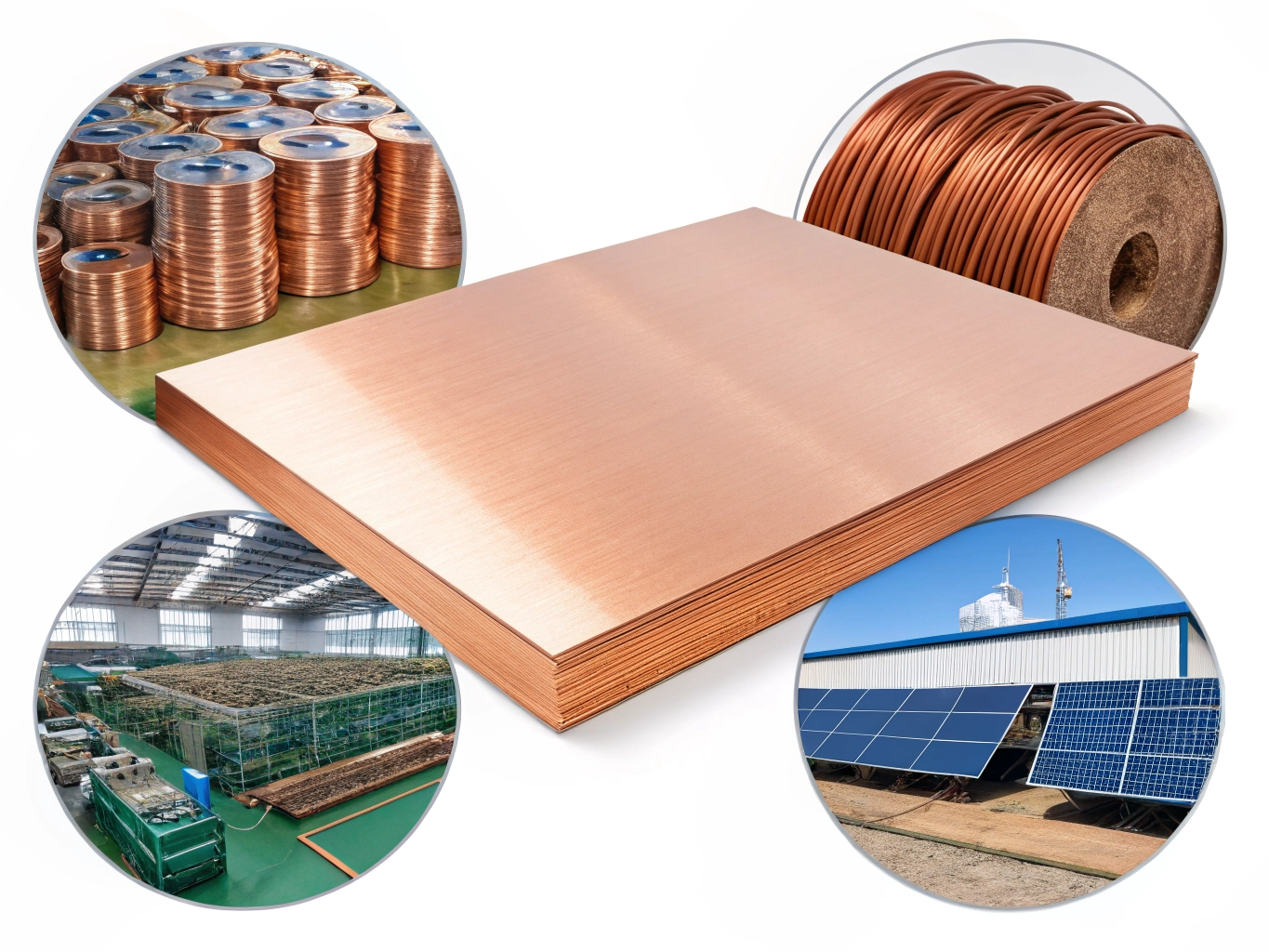
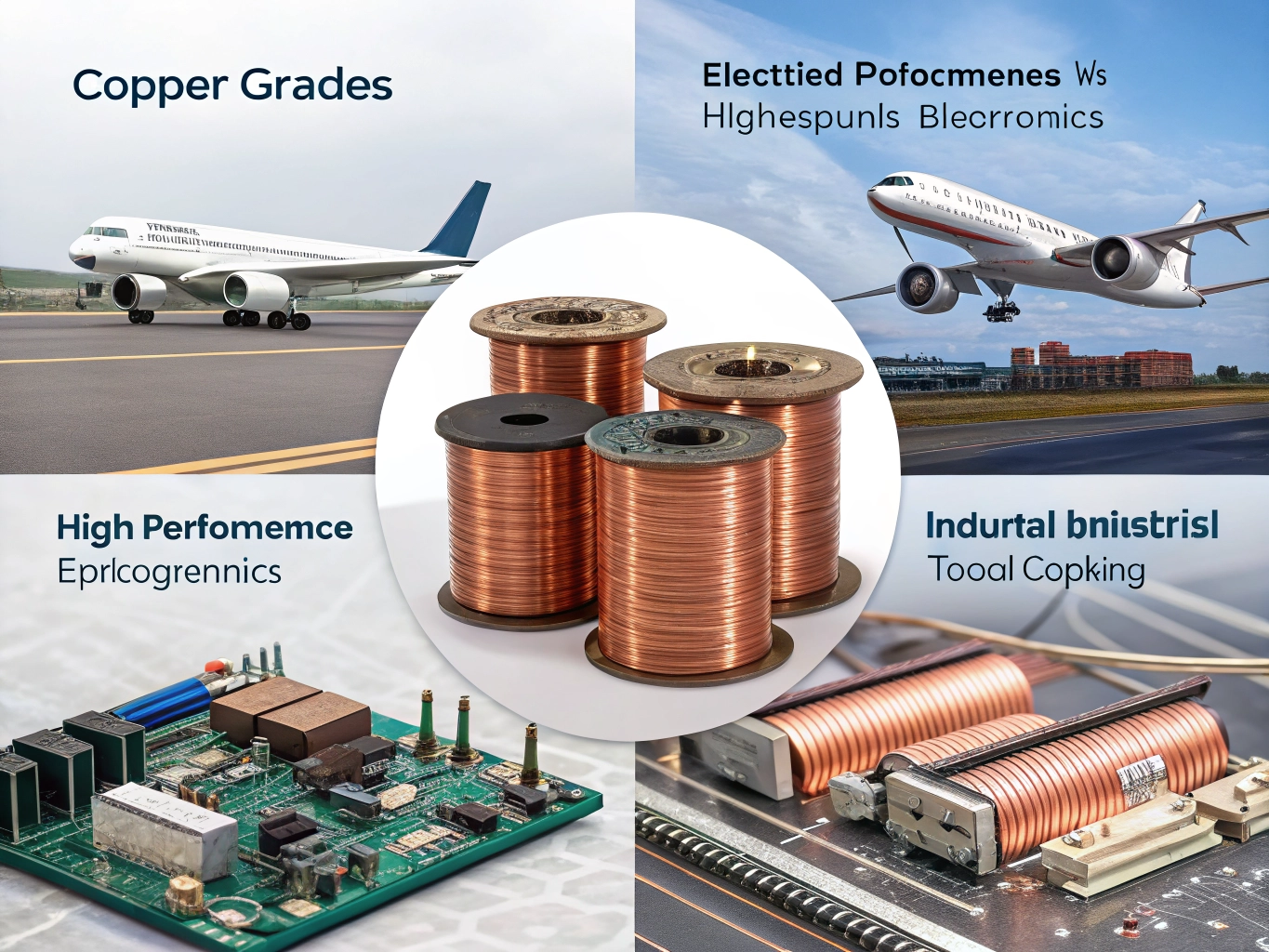
Copper is one of the most widely used industrial metals in the world. Different copper grades are designed to meet specific requirements for electrical conductivity, thermal performance, strength, corrosion resistance, and manufacturing processes. Understanding copper grades helps buyers, manufacturers, and engineers select the right material for their projects.
What Are Copper Grades?
Copper grades are standardized classifications that define the chemical composition and properties of different copper materials. These grades are identified by specific alloy numbers and industry standards. Each grade is designed for particular industrial applications.
Common Copper Grades
C11000 Electrolytic Tough Pitch (ETP) Copper
C11000 is one of the most commonly used copper grades worldwide. It offers excellent electrical conductivity, thermal conductivity, and formability.
Applications include:
- Electrical wiring
- Busbars
- Transformers
- Electrical connectors
C10200 Oxygen-Free Copper
C10200 is a high-purity copper grade with very low oxygen content. It provides excellent conductivity and is often used in high-performance electrical and electronic applications.
Applications include:
- Semiconductor
- components
- Vacuum equipment
- High-frequency electronics
- Precision electrical systems
C10100 Oxygen-Free Electronic Copper
C10100 is an ultra-high-purity copper grade known for its outstanding conductivity and reliability.
Applications include:
- Advanced electronics
- Aerospace systems
- Telecommunications equipment
- Scientific instruments
C17200 Beryllium Copper
C17200 combines high strength with good electrical conductivity and excellent wear resistance.
Applications include:
- Aerospace components
- Electrical connectors
- Springs
- Industrial tooling
Factors to Consider When Selecting Copper Grades
Electrical Conductivity
For electrical applications, high-conductivity grades such as C11000, C10200, and C10100 are often preferred.
Corrosion Resistance
Different environments require varying levels of corrosion resistance. Copper naturally resists corrosion, but certain grades offer enhanced performance.
Mechanical Strength
Applications involving heavy loads or wear may require stronger alloys such as beryllium copper.